
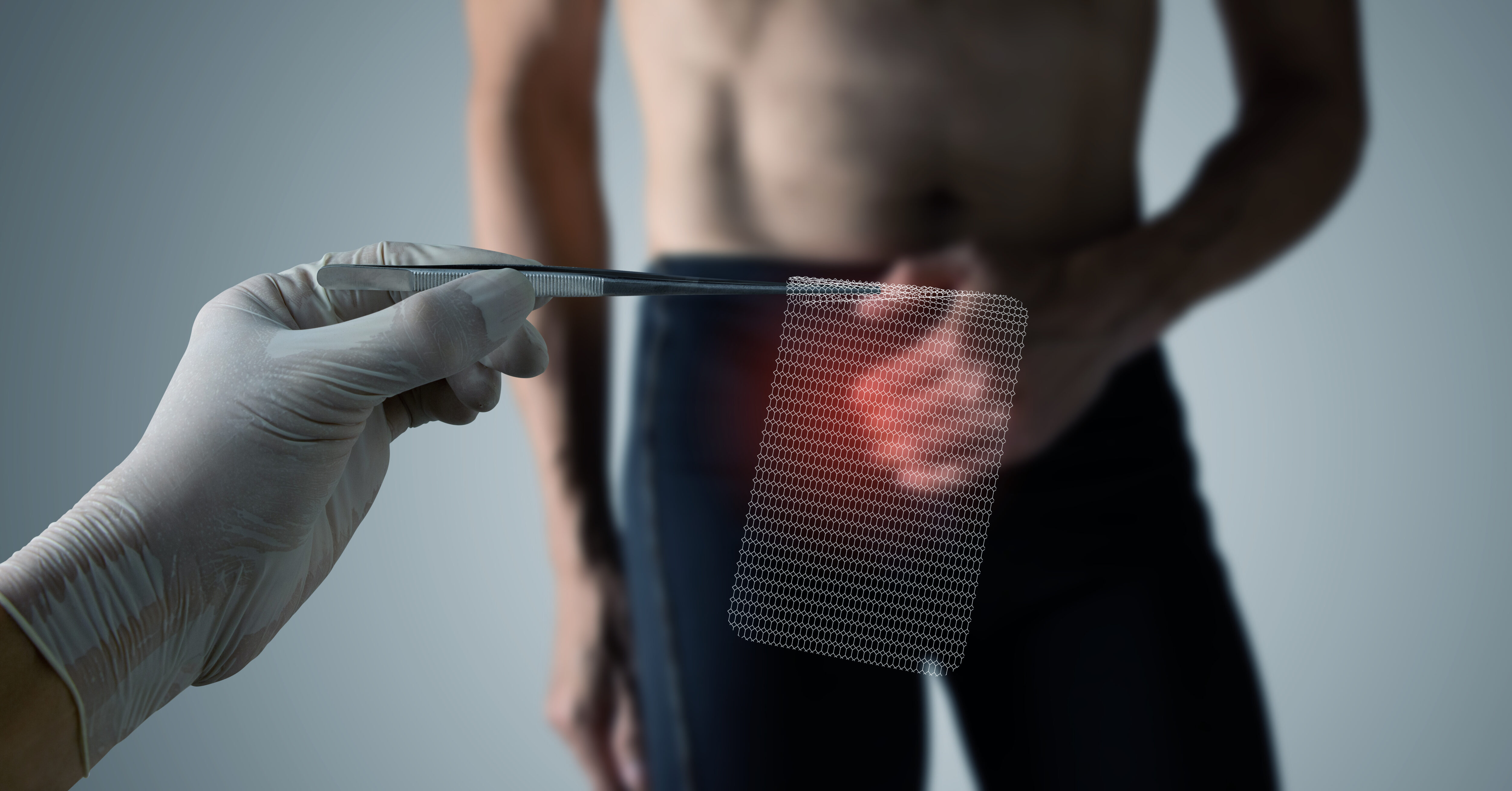
We are pleased to share that Dr. Wright has published new research in the January 2026 edition of the European Hernia Society Journal of Abdominal Wall Surgery. This study focuses on how inguinal hernias may affect nearby nerves and why some patients experience ongoing pain.
What the Research Found
This work examined the ilioinguinal nerve, which runs through the area where inguinal hernias occur. The study demonstrated clear evidence of nerve injury in some patients with primary inguinal hernias, including loss of nerve fibers and structural changes consistent with long-term compression.
These findings support the idea that pressure from a hernia can lead to permanent nerve damage in certain individuals.
Why This Matters
After inguinal hernia repair, approximately 11% of patients worldwide report ongoing or chronic groin pain. Until now, it has not been fully understood why some patients develop persistent symptoms even when the hernia repair itself is technically successful.
This research suggests that in some cases, nerve damage may already be present before surgery. If a damaged nerve is left in place, it may continue to cause chronic pain even after the hernia has been repaired.
This has important implications for surgical decision-making. Understanding when a nerve has likely been affected may help guide how that nerve is managed during surgery, with the goal of reducing long-term pain.
A Careful and Individualized Approach
Every patient’s anatomy and symptoms are different. Decisions about nerve management during hernia repair must be made thoughtfully and based on each patient’s situation, symptoms, and risk factors. This research contributes to a growing body of knowledge that helps surgeons make these decisions more carefully and with better long-term outcomes in mind.
Collaboration and Training the Next Generation
This study was conducted in collaboration with Dr. Donald Born at Stanford University, along with a dedicated group of premed students*. We are grateful for their hard work and proud to see them continuing their careers in healthcare.
Ongoing research like this is an important part of improving care and advancing treatment options for patients with hernias.
# # #
If you have questions about hernia pain, surgical options, or recovery, our team is always available to help you make informed decisions about your care. Give us a call 24/7 at 253-840-1999, and we’ll help you figure out how to best pursue surgery.
We listen to you to understand your concerns—and we solve your nagging health problem—when it’s convenient for you. We offer minimally invasive surgical solutions at a lower overall cost in a private setting.
Under the leadership of Dr. Robert Wright, our surgical team has a proven reputation for high-quality, compassionate care. With more than 25,000 patients served, your satisfaction, health and safety come first here. As always, should you have any questions, please don’t hesitate to reach out: 253-840-1999
* About premed student contributions
We would also like to recognize the outstanding contributions of the premedical students who helped make this research possible. Kyri Simons, who led much of the primary work on this project, is now pursuing a career in anesthesiology with the United States Air Force. Julia Wright has completed her Doctor of Physical Therapy degree, and Makena Horne is currently in her first year of medical school in Chicago. We also wish Rachel Daniel the very best as she applies to medical school and continues to build on this research experience as a strong foundation for her future career.
Leave A Comment